Continuous Improvement
Like the software development lifecycle and the Agile methodology themselves, the development of Scrum teams is an iterative process. Making adjustments after evaluating what is working and what is not working is as important for the team as it is for the software that they are developing.
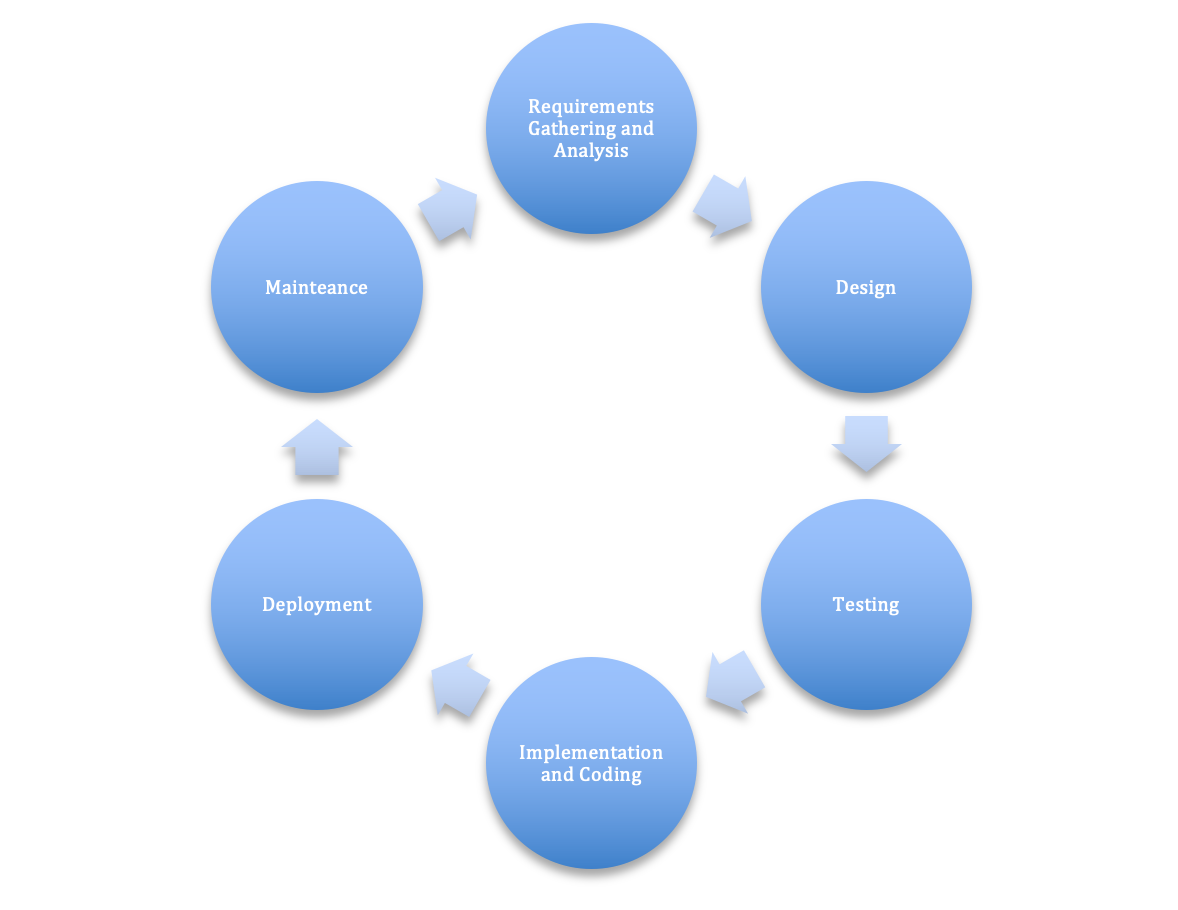
The evaluation processes for most teams occurs during the maintenance phase of the software development lifecycle. At this point in the cycle, the product has been through all of the other phases (from requirements gathering to testing) and has been deployed into production. Teams now monitor their products to ensure that the product meets the customer requirements established in the requirements gathering and analysis phase, fix software bugs that might have been missed during testing, and look for areas that could benefit from performance enhancements. As teams progress through the maintenance phase, they focus not only on fixing problems but also on preventing problems from recurring in the future.
For Scrum teams, evaluation primarily occurs during the sprint retrospective. However, with the focus on early and continuous delivery of valuable software, members of an Scrum teams are encouraged to speak up at any point in their development process and advocate for changes to benefit the function of the team.